The definition of bullying
There are three main elements that separate bullying from one-off incidents or other types of conflict.
- Bullying involves a real or perceived (felt) imbalance of power between the person being bullied and the person bullying them.
- Bullying happens repeatedly or could potentially be repeated (like with online behaviour).
- Bullying consists of intentional acts that are aggressive, negative or harmful towards another.
Misuse of power
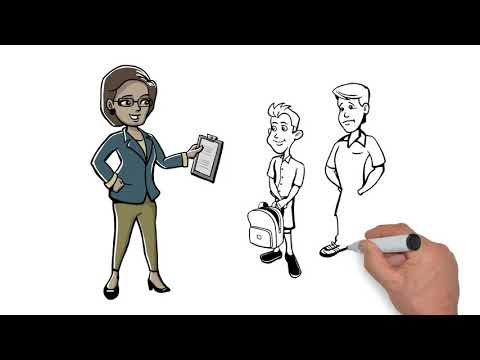
The following video (2 minutes 15 seconds) explains what we mean by misuse of power in relationships:
Misuse of power
[Gentle music plays in the background throughout the video]
The national definition of bullying for schools tells us there are three main features of bullying: it involves a misuse of power in a relationship, it is ongoing and repeated, and it involves behaviours that can cause harm.
What do we mean when we say a 'misuse of power?'
Power imbalances exist between people and groups all the time. Differences in social status are a common part of our society. But when someone takes advantage of the power imbalance to coerce or mistreat others, this is considered a misuse of power.
Power can come from a person's situation—for example, being in an exclusive or popular group, having possessions or belongings that the other person or group does not, personal characteristics such as being older, physically stronger, or good at activities considered important by peers. Power can also come from being supported by other powerful people.
If there is no power imbalance, we don't call it bullying. We call it conflict, for example, a fight or disagreement between two people who are equals, such as two friends at school. Although probably unpleasant and upsetting, is not bullying.
For bullying to occur, there must also be a relationship or ongoing contact between the people involved, for example, students in the same year level or class, or students who regularly catch the bus together.
Identifying how and why a misuse of power has occurred in relationships such as these, is the key to finding a positive solution to bullying.
So a random act of violence by a stranger at a public event, such as one person yelling abuse at someone they don't know, is not bullying because there is no relationship or ongoing contact between the two people.
Understanding the dynamics of relationships and how power can be misused can help schools to address bullying more effectively.
In the next video we look at how bullying is ongoing and repeated. For more information about bullying, visit the Bullying No Way website.
Ongoing and repeated
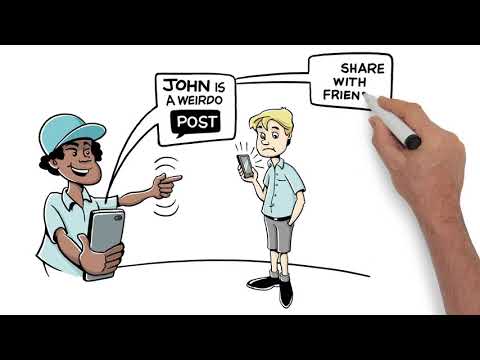
The following video (2 minutes 16 seconds) unpacks what ongoing and repeated bullying means:
Ongoing and repeated
[Gentle music plays throughout the video]
The national definition of bullying for schools tells us there are three main features of bullying: it involves a misuse of power in a relationship, it is ongoing and repeated, and it involves behaviours that can cause harm.
In the previous video we looked at how power can be misused in relationships. To identify bullying we also look for whether the behavior is ongoing and repeated.
If someone behaves in a mean or aggressive way on a single occasion, even though the behaviour is not respectful or acceptable, it is not bullying.
Bullying can be ongoing through repeated actions or the use of threats which create the fear that it will happen again. In fact, just the fear that unwanted actions will be repeated can create distress and harm.
The ongoing nature of bullying adds to the power imbalance, as the person being bullied feels powerless and unable to stop it from happening.
Online bullying, sometimes called cyberbullying, is when these unwanted behaviors happen through the internet and mobile devices. Some young people experience bullying both in person and online.
The misuse of power in the relationship can cross contexts and situations. Inappropriate actions online must be between people who have ongoing contact and be part of a pattern of repeated behaviours online or offline for it to be called bullying.
One action, such as a nasty comment or an embarrassing photo which is repeated through sharing and forwarding to others, can be called bullying if the individuals involved know each other and have ongoing contact either on or offline.
So to describe behaviour as bullying, it must be part of an ongoing and repeated misuse of power in a relationship. Single incidents or random inappropriate actions are not bullying. Identifying when an ongoing or repeated misuse of power exists helps schools to respond more appropriately to bullying.
The next video covers the types of behaviors that can cause harm. For more information about bullying, visit the Bullying No Way website.
Behaviours that can cause harm
Find out about the third element of bullying in this video (3 minutes 22 seconds):

Behaviours that can cause harm
[Gentle music plays in the background throughout the video)
The national definition of bullying for schools tells us there are three main features of bullying: it involves a misuse of power in a relationship, it is ongoing and repeated, and it involves behaviours that can cause harm.
In the previous videos we have looked at the misuse of power in a relationship and the pattern of ongoing and repeated behaviour that characterise bullying. This video looks at the types of behaviors that can cause harm.
We tend to name bullying by the type of behavior that is involved, so we talk about verbal bullying, physical bullying, or social bullying.
Verbal bullying includes name calling or insulting someone about physical characteristics such as their weight or height, or other attributes including race, sexuality, culture, or religion.
Physical bullying includes hitting or otherwise hurting someone, shoving or intimidating another person, or damaging or stealing their belongings.
Social bullying includes excluding another person or sharing information or images that will have a harmful effect on the other person.
But as we've already seen in the previous videos, if any of these behaviors occur only once or are part of a conflict between equals, no matter how inappropriate they are, they are not bullying. The behaviors alone do not define bullying.
Verbal, physical, and social bullying can happen in person. Verbal and social bullying can also happen online, as can threats of physical bullying.
Bullying behaviours can be easy to see (overt) or hidden (covert).
Social bullying can be subtle and even sometimes denied by the other person saying, “Oh, I was only joking.” In fact, covert social bullying can be almost impossible for outsiders to identify.
Bullying can also be direct or indirect. Direct behaviors occur between the people involved, whereas indirect actions involve others, for example, passing on insults or spreading rumors.
These unwanted verbal, physical, or social behaviors can lead to physical and/or psychological harm. When these behaviors cause harm, are repeated, and are part of a misuse of power in a relationship, we call them bullying.
It is important for schools to respond to any inappropriate behaviour and to ensure every person feels safe. But it is just as important to identify when a behavior is part of bullying and to look into the underlying reasons and all the people involved.
The effects of bullying, particularly on the mental health and well-being of those involved, can continue even after the situation is resolved.
Understanding the definition of bullying and sharing it with the whole school community is critical to finding positive and lasting solutions to bullying.
More information about bullying can be found on the Bullying No Way website.